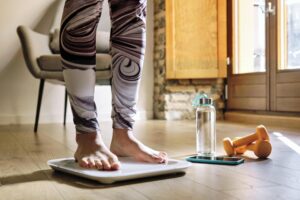
You’re eating well, you’ve cut back on the wine, and you’ve stuck to your workouts. Then you step on the scale for your weekly weigh-in… and the number hasn’t moved. You shrug it off as water weight and try again the following week. Same result. Sound familiar?
You’re not imagining it, and you’re definitely not alone. Weight loss plateaus affect roughly 85% of people who attempt to lose weight at some point in their journey. The good news? They’re almost always solvable with a few small, strategic changes.
Here are nine of the most common reasons the scale isn’t budging — and exactly what to do about each one.
1. You’re not eating enough protein
Protein is the single most important macronutrient for fat loss. It keeps you full for longer, helps preserve muscle while you’re in a calorie deficit, and has a higher “thermic effect” than carbs or fat (meaning your body burns more calories just digesting it).
Research suggests that during weight loss, intakes of around 1.2 g of protein per kg of body weight help protect lean muscle and improve satiety. For a 70 kg (155 lb) person, that’s roughly 84 g of protein per day, split across meals.
Easy protein sources to lean on:
- Lean poultry, fish, and seafood
- Eggs and Greek yogurt
- Cottage cheese and milk
- Tofu, tempeh, and edamame
- Lentils, chickpeas, and black beans
- Nuts, seeds, and protein powder
Quick fix: Aim for a palm-sized portion of protein at every meal.
2. You’re drinking your calories

A glass of wine here, a flat white there, a soda with lunch — liquid calories add up fast, and unlike food, they don’t switch off your hunger signals. A single large latte plus an evening glass of wine can easily slip 400+ calories into your day without you ever feeling full.
Alcohol is a double whammy: it’s calorie-dense (7 calories per gram), and it tends to lower inhibitions around food, leading to those late-night kitchen raids.
Quick fix: Make water your default. For variety, try sparkling water with citrus, black coffee, herbal tea, or unsweetened iced tea. If you drink alcohol, treat it as a planned-in treat rather than a default.
3. You’re underestimating your portions
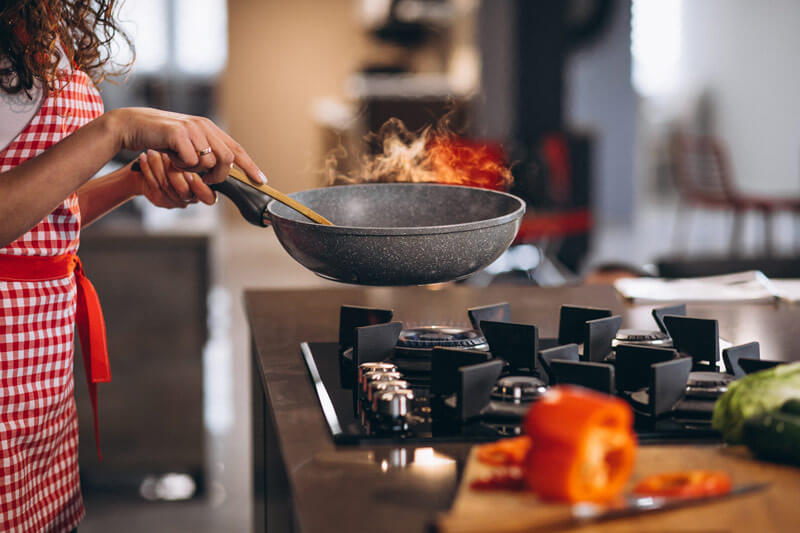
“Healthy” doesn’t automatically mean “low calorie.” Olive oil, nut butters, avocado, granola, cheese, and trail mix are all nutritious — and all easy to overeat. A casual extra glug of olive oil and a generous spoon of peanut butter can quietly add 300+ calories to a “clean” meal.
Quick fix: Weigh or measure your higher-calorie foods (oils, nut butters, cheese, grains, protein) for two weeks. You don’t have to do this forever — you just need to recalibrate your eye.
4. You’re not drinking enough water
Water is the most underrated tool in your weight loss kit. It acts as a mild appetite suppressant, supports digestion, and helps prevent the bloating that can make the scale look worse than it is. Dehydration also masquerades as hunger surprisingly often — that mid-afternoon “I need a snack” feeling is sometimes just thirst.
Quick fix: Aim for around 2 litres a day, more if you’re training or it’s hot. A simple trick: drink a full glass of water before each meal.
5. You’re stressed (and your body knows it)
Chronic stress raises cortisol, which can drive cravings for high-fat, high-sugar foods and encourage fat storage around the midsection. It also tends to disrupt sleep — which, as you’ll see in the next point, makes everything else harder.
Quick fix: Build a non-negotiable wind-down routine. That might mean a 20-minute walk after dinner, a hot bath, ten minutes of journalling, a yoga flow, or simply putting your phone in another room an hour before bed. The activity matters less than the consistency.
6. You’re not getting enough sleep
Sleep isn’t just rest — it’s hormonal regulation. When you skimp on sleep, the hormones that control hunger (ghrelin) and fullness (leptin) swing in the wrong direction, increasing appetite and cravings for energy-dense, high-carb foods.
One striking finding: dieters who slept just 5.5 hours per night for two weeks lost significantly less fat and more muscle than those who slept 8.5 hours on the same calorie intake. Less sleep, same effort, worse results.
Quick fix: Target 7–9 hours per night. Keep a consistent bedtime, dim the lights an hour before sleep, and avoid scrolling in bed.
7. Your snacks are sabotaging your meals
You can build perfect breakfasts, lunches, and dinners, then undo it all with mindless evening snacking. Chips, biscuits, and chocolate are calorie-dense, low in protein and fibre, and engineered to be easy to overeat.
Quick fix: Swap to snacks that combine protein and fibre — they’ll keep you fuller for longer:
- Greek yogurt with berries
- Apple slices with peanut butter (measured!)
- Hummus with veggie sticks
- A boiled egg and a piece of fruit
- Edamame, roasted chickpeas, or a small handful of nuts
8. You’re weighing yourself too often
Bodyweight can swing 1–2 kg in a single day from food volume, salt intake, hormonal cycles, and water retention. Daily weigh-ins make those normal fluctuations feel like progress (or failure) when they’re really just noise.
The scale is also a poor measure of actual body change. If you’ve been lifting weights, you may be losing fat and gaining muscle at the same time — the scale barely moves, but your clothes fit differently.
Quick fix: Weigh in once a week at the same time (mornings, after the bathroom, before eating) and track a rolling average. Then back it up with:
- Tape measurements (waist, hips, thighs)
- Progress photos every 2–4 weeks
- How your clothes fit
- Energy, mood, and gym performance
9. You’ve genuinely hit a plateau
If you’ve ruled everything else out, you may have hit a true plateau — and that’s a normal part of the process. As you lose weight, your body needs fewer calories to function, so the deficit you started with eventually becomes maintenance.
A 2024 study from the National Institutes of Health found that “diet fatigue” — the gradual erosion of consistency as motivation wanes — is one of the biggest hidden drivers of plateaus, alongside the body’s natural metabolic adaptation.
How to break through:
- Recalculate your calories. If you’ve lost 5–10 kg, your daily needs have dropped by roughly 150–250 calories. Adjust accordingly.
- Change up your training. Add resistance training if you only do cardio, or vice versa. Your body adapts to what you repeat.
- Increase daily movement (NEAT). Aim to add 1,000–2,000 steps a day on top of structured exercise.
- Track honestly for a week. Use a food app and weigh everything. Most plateaus reveal themselves here.
- Take a diet break. A planned 1–2 week period at maintenance calories can reset hormones and motivation, then make the next phase easier.
The bottom line
If the scale has stalled, you don’t need a brand new diet — you just need to figure out which of these nine factors is in play. Most of the time, it’s not one big thing; it’s a couple of small things adding up.
And remember: the scale is just one data point. Body measurements, progress photos, how clothes fit, and how strong you feel in the gym all tell you more about real change. Keep showing up, adjust where you need to, and the results will follow.
Need a little extra support? Try PhenQ
Even when you’re doing everything right, a little extra help can make the difference between stalling and breaking through. PhenQ is a 100% natural formula designed to support your goals from multiple angles — helping curb cravings, support fat burn, and give your energy and metabolism a lift so the work you’re already putting in actually pays off.
Pair it with the tips above, stay consistent, and trust the process. You’ve got this.