Thinking about eating less meat? Whether you’re drawn in by the health benefits, the lower environmental footprint, or animal welfare, going vegan, vegetarian, or pescatarian are three of the most popular ways to do it. But which one is actually right for you — and what’s the real difference between them? Here’s a clear, no-nonsense breakdown.
Vegan vs vegetarian vs pescatarian: the basics
All three diets cut back on animal products, but they draw the line in different places:
- Pescatarian: No beef, pork, chicken, or other land meat — but fish, seafood, dairy, and eggs are in.
- Vegetarian: No meat or fish. Most vegetarians still eat dairy and eggs (lacto-ovo); some limit or skip them.
- Vegan: No animal products at all — no meat, fish, dairy, eggs, and often no honey either.
Think of it as a spectrum, with pescatarian being the most flexible and vegan being the most restrictive.
What these diets have in common
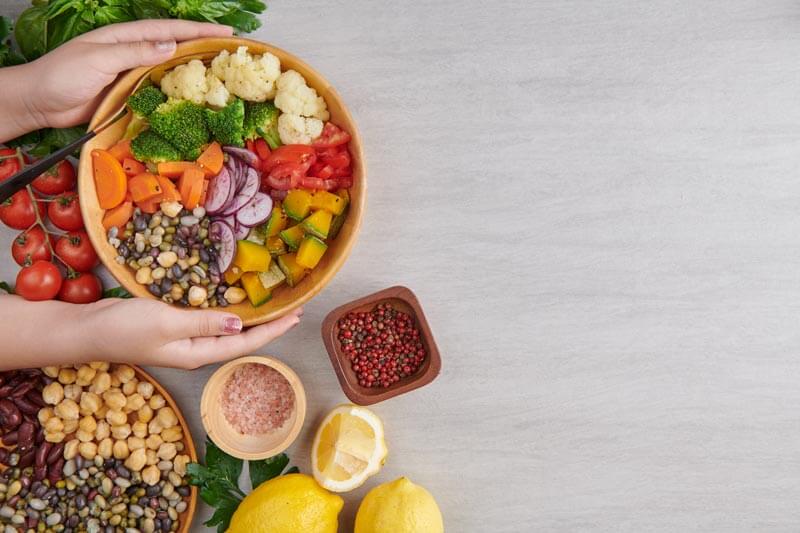
The big shared theme is more plants, less red meat. All three are built around foods like:
- Fruits and vegetables
- Whole grains
- Legumes (beans, lentils, chickpeas)
- Nuts and seeds
That plant-heavy pattern is where most of the health magic happens. A 2024 review of plant-based diets for obesity found that 75% of intervention trials showed significant weight loss, with an average of around 5 kg lost in the intervention group. Plant-based eating has also been linked to better blood pressure, lower LDL cholesterol, and improved blood sugar control.
And the planet benefits too. Diets lower in animal products typically come with a noticeably smaller carbon footprint — research shows vegan and vegetarian diets can cut food-related greenhouse gas emissions by roughly 50% and 35% compared to meat-heavy diets.
How they differ in practice
The biggest day-to-day differences come down to flexibility and how much nutrition planning you’ll need to do.
Pescatarian: easiest to follow
Because seafood, dairy, and eggs are still on the menu, it’s the easiest of the three to balance nutritionally. Fish is one of the best natural sources of omega-3 fatty acids, vitamin D, iodine, and high-quality protein — nutrients that can be trickier to get from plants alone. A long-running Loma Linda University study even found that a pesco-vegetarian pattern offered the strongest mortality protection across age groups compared to other vegetarian and non-vegetarian diets.
Vegetarian: a balanced middle ground
Dairy and eggs make it relatively easy to hit your calcium, B12, zinc, and iron targets, and you still get the heart and weight benefits of cutting meat. For many people, vegetarian is the realistic long-term sweet spot.
Vegan: highest impact, most planning
Vegan diets tend to show the biggest reductions in body fat and the largest environmental savings, but they also require the most thought. Vitamin B12 supplementation is essential, and you’ll want to keep an eye on iron, calcium, iodine, vitamin D, and omega-3s (algae-based supplements are a popular option).
Can these diets help with weight loss?
Short answer: yes — for most people, in most studies.
People who limit or skip meat tend to have a lower average BMI than those who eat meat regularly. Across multiple meta-analyses, plant-based diets produce average weight losses of roughly 2 to 5 kg compared to standard meat-eating diets, alongside reductions in waist circumference and improvements in blood sugar markers.
A few things to keep in mind:
- Calories still count. Vegan cookies, chips, and “plant-based” frozen meals can stall results just as easily as their non-vegan versions.
- Whole foods do the heavy lifting. The biggest results come from diets centred on vegetables, legumes, whole grains, and minimally processed proteins — not ultra-processed substitutes.
- Protein matters. Build meals around tofu, tempeh, lentils, beans, fish (if pescatarian), eggs, or Greek yoghurt (if vegetarian) to stay full and protect muscle.
Other health benefits to know about
Heart health. Diets lower in red and processed meat are consistently linked to reduced cardiovascular disease risk, and swapping red meat for plant proteins like legumes, soy, and nuts produces measurable drops in total and LDL cholesterol.
Type 2 diabetes. A 2024 evidence synthesis concluded that vegetarian and vegan diets are likely effective at improving HbA1c, lowering BMI, and potentially reducing the need for diabetes medication in people with type 2 diabetes.
Cancer risk. Higher intakes of red and especially processed meat have been linked to an increased risk of certain cancers, particularly colorectal cancer.
Omega-3s. Pescatarians have an edge here thanks to fatty fish like salmon, sardines, and mackerel. Vegans and vegetarians can get omega-3s from flaxseed, chia, walnuts, and algae oil, though the body converts plant-based ALA into the active forms (EPA and DHA) less efficiently — which is why algae-based supplements are worth considering.
So, which diet is right for you?
There’s no single winner — the best diet is the one you’ll actually stick with. A quick guide:
- Choose pescatarian if you want the easiest entry point, plenty of omega-3s, and minimal planning.
- Choose vegetarian if you want strong health benefits with flexibility, and you’re happy keeping dairy and eggs.
- Choose vegan if you’re motivated by ethics or environmental impact and you’re up for a bit more meal planning and smart supplementation.
You don’t have to commit overnight, either. Many people start with “Meatless Mondays” or a few pescatarian dinners a week and let things evolve from there. The goal isn’t a label — it’s eating more plants, more often.
Ready to hit your goals?
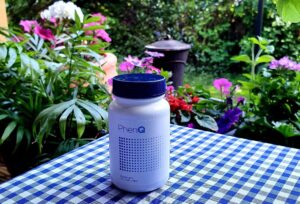
Whichever path you pick, consistency is what gets results — and a little support along the way doesn’t hurt. If you’d like an extra nudge as you build healthier habits, PhenQ is a 100% natural formula designed to support fat burn, curb cravings, and give your metabolism a boost. It slots in alongside vegan, vegetarian, and pescatarian diets without any animal-derived ingredients to worry about.
Whatever you choose, you’ve got this.